


- Your cart is empty Browse Shop
Other Products
Olive Pomace Oil
Olive Pomace Oil: The Practical Guide to This Sustainable Culinary Workhorse
In the world of professional kitchens and large-scale food production, efficiency and performance are the names of the game. While most home cooks are familiar with the premium labels of cold-pressed oils, Olive Pomace Oil serves as the backbone for high-volume cooking where stability and value are paramount. Often misunderstood or overlooked, Pomace oil is a versatile, high-heat alternative that offers the benefits of the olive tree in a more accessible format. Understanding how it is produced and why it remains a favorite for deep-frying and commercial baking is essential for anyone looking to optimize their kitchen’s performance without sacrificing the inherent qualities of olive-based fats.
What is Olive Pomace Oil?
To understand Pomace oil, we have to look at what happens after the initial pressing of olives. When Extra Virgin and Virgin oils are extracted, a moist pulp remains—consisting of the skins, pits, and flesh of the fruit. This is called “pomace.”
A More Functional Product
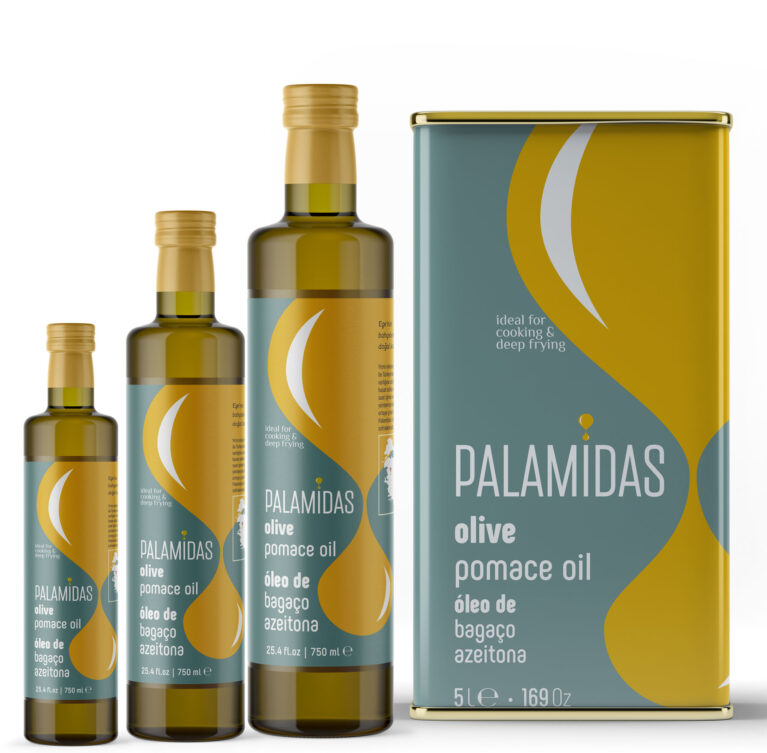
AVAILABLE PACKAGING
- Dorica/Maraska Glass Bottle
- Tin Can
- Plastic Bottle
- Bulk
- 250/500/750/1000 ml
- 1,2,3,4,5,18 L
- 250/500/1000ml/2L
- IBC/Flexi/Steel Drum
Color & Taste
Clear and transparent with yellow color and greenish tint. Clean, bland flavor and odor. Very light olive taste
Quality
Free Acidity (%) max <1
Peroxide (mEqO2/kg) max <5
Smoke Point
High, typically around 430°F–468°F (222°C–242°C), making it ideal for deep-frying and roasting.
Ideal for...
it is perfect for frying, baking, sauteing, and roasting, as it does not burn easily.
The Extraction and Refining Process
Even after the first mechanical pressing, this pulp still contains a small percentage of oil. To extract it, the pomace undergoes a specialized process.
- Extraction: The remaining oil is removed from the pulp, typically through a heat or solvent process, ensuring that no part of the fruit goes to waste.
- Refining: The raw oil is then refined to remove any strong odors or high acidity, resulting in a neutral, stable fat.
- Blending: Finally, it is often blended with a touch of Virgin Olive Oil to give it back a hint of the characteristic olive aroma and color.
This process makes Olive Pomace Oil a highly sustainable choice, as it ensures the entire olive crop is utilized, leaving virtually zero waste in the production cycle. At Palamidas, we view this as an essential part of responsible olive production, providing a product that bridges the gap between premium finishing oils and industrial cooking fats.
Why Professional Kitchens Prefer Pomace Oil
If you’ve ever wondered how restaurants achieve that perfect golden crunch on fried foods without a heavy, oily taste, the answer is often Pomace oil. Here are the primary reasons it is a staple in the food industry:
- Extreme Heat Stability: With a smoke point reaching up to 468°F (242°C), it is one of the most stable oils available. It won’t break down or produce harmful smoke during long frying sessions.
- Neutral Flavor Profile: Unlike Extra Virgin oil, which can dominate a dish with its peppery notes, Pomace oil stays in the background. This allows the natural flavors of your ingredients—whether it’s delicate seafood or crispy potatoes—to shine.
- Economic Efficiency: For high-volume use, it provides a much more budget-friendly option than culinary-grade virgin oils, making it the “smart” choice for bulk cooking.
- Texture and Mouthfeel: It provides a clean, non-greasy finish to fried and roasted foods, which is essential for professional presentation.
Culinary Applications: Where Pomace Shines
While you might not use it to dress a delicate Caprese salad, Olive Pomace Oil is the king of the “hot” side of the kitchen.
1. Deep Frying and Pan Frying
Because it doesn’t burn easily, it is ideal for:
- Traditional Mediterranean fried dishes like falafel or calamari.
- Commercial fryers where oil needs to be held at high temperatures for extended periods.
- Sautéing meats and vegetables at high heat to achieve a quick sear.
2. Commercial Baking and Bread Making
In large-scale baking, Pomace oil is a fantastic substitute for butter or less healthy vegetable oils. It provides:
- A soft, moist crumb in muffins and cakes.
- A crispy, golden crust on focaccia and pizza dough.
- The benefit of being cholesterol-free compared to animal fats.
3. Infusions and Bases
Because it is neutral, it serves as an excellent base for making homemade herb-infused oils or large batches of garlic oil for restaurant prep. It carries the flavors of the herbs without adding its own competing notes.
Comparing the Health Benefits
It is a common myth that Pomace oil has no health value. While it doesn’t contain the high level of antioxidants (polyphenols) found in Extra Virgin oil, it still carries the primary health marker of the olive: Monounsaturated Fats.
- Heart Health: It is rich in oleic acid, which helps maintain healthy cholesterol levels.
- Vitamin E: The refining process leaves behind significant amounts of Vitamin E, which acts as a natural preservative and offers skin and immune support.
- A Better Alternative: Compared to highly processed seed oils like soybean or corn oil, Pomace oil is a more stable and “cleaner” fat for high-heat cooking.
Sustainability: The Zero-Waste Choice
In today’s eco-conscious market, the story of Olive Pomace Oil is a positive one. By extracting the last bits of oil from the olive pulp, producers are maximizing the resources provided by the land. This “circular” approach to agriculture is a key component of the Palamidas philosophy. We believe in honoring the tree by ensuring that every harvest is used to its fullest potential, providing options for every level of the culinary world.
How to Handle and Store Pomace Oil
To get the most out of your oil, especially in a professional setting, follow these guidelines:
Filter Regularly: If using for deep frying, filtering out food particles will extend the life of the oil significantly.
Avoid Direct Sunlight: Store in cool, dark areas to prevent oxidation.
Check for Freshness: Even though it’s stable, always smell your oil before use. It should have a clean, neutral scent with a very faint hint of olive.
Our Motto is… “Palamidas may never be the cheapest option, but we guarantee the taste and quality that keep consumers coming back — at the most competitive value.”